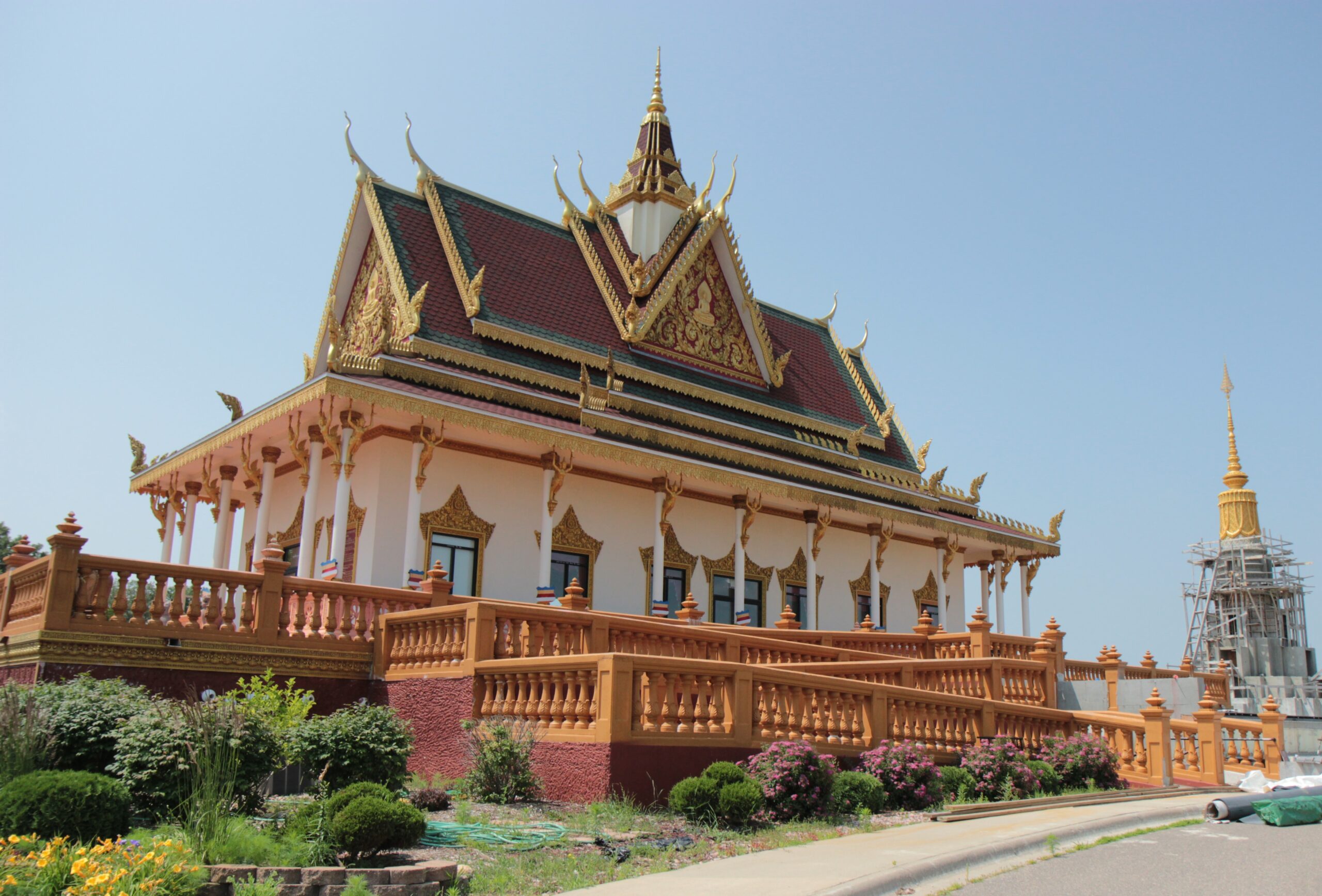
Visiting a local Hindu or Buddhist temple or a Muslim mosque is an opportunity to begin building understanding and friendships with these communities. It is also an opportunity to mobilize others to love your global neighbors.
Setting up a Visit
Google “Hindu Temples”, “Buddhist Temples”, “mosque,” “masjid,” or “Islamic Center” in your area.
Contact them through their website or Facebook page to set up a visit.
Visiting a Hindu Temple
Hindu temples are very open to having visitors.
Each Hindu family has their own family or favorite Hindu deity. Therefore, Hindu temples in the US usually will have several Hindu deities in the temple providing a place for everyone in the community to come and worship
Each deity in the temple may have different times during the year that ceremonies for that deity take place. You may visit during one of these special ceremonies.
You may drop by and visit or set up a visit ahead of time.
Weekends are when a majority of people go to the temple because of work schedules during the week.
Wear modest clothing
Both men and women should wear modest clothing.
Men should wear long pants and no tank tops.
Women should wear loose fitting pants or a long skirt. No tank tops.
When you set up the temple visit ask them what men and women should wear.
Show respect by following some temple etiquette
The temple is seen as the home of the gods.
Remove shoes and hats when entering the temple. There will be a designated place to put your shoes while in the temple. Both socks or bare feet are fine.
Behave calmly and be respectable at all times.
Inside each temple will be a community space as well as the temple proper where each Hindu deity temple is found.
Only priests are allowed inside each deity’s individual temple.
It is not required to bring or give a gift when visiting the temple.
Though Hindus believe divinity is in everything and can be meditated on at any time in any place, having a physical form to worship is belief to help to involve the five senses in their worship.
Meditation and Congregational Chanting
Much of Hindu worship, including pujas and various other rituals are not usually congregational in nature. (a puja is an offering of flowers or fruit to one or more of the Hindu deities for a variety of reasons)
There are no sermons or talks by the temple priests. Although, a temple may offer teachings by various gurus at different times during the year.
Although Hindus often have a designated place to worship in their homes many travel to the temple to worship.
Though community is important, spirituality in Hinduism is an individual experience.
Only priests are allowed inside each deity’s individual temple.
Learn about Hinduism
Feel free to ask questions of the priest or temple board member who is giving you the tour.
This is a time to learn about Hinduism and get to know Hindus in your city.
It is a time for initiating friendships not a time to argue.
Follow up your Visit
After your chat with the priest or temple board member you may want to ask if you could visit again and bring others to observe prayers.
This meeting is an opportunity to begin building understanding and friendships with the Hindu community.
It is also an opportunity to visit again to mobilize others to love their Hindu neighbors.
Visiting a Buddhist Temple
Buddhist temples don’t have regular office hours during the week like a church does. Someone may need to go to the temple to talk to a monk or someone on the temple grounds to set up a tour.
Buddhist temples also do not have regular “service/worship” times during the week. A visit to the temple will most likely be led by a monk or an elder from the community unless you attend at a time when there is a ceremony taking place.
Wear modest clothing
Both men and women should wear modest clothing.
Men should wear long pants and no tank tops.
Women should wear loose fitting pants or a long skirt. No tank tops.
When you set up the temple visit ask them what men and women should wear.
Show respect by following some temple etiquette
Remove shoes and hats when entering the temple. There will be a designated place to put your shoes while in the temple. Both socks or bare feet are fine.
When pointing, avoid pointing with your finger but use your whole hand.
Never point your feet toward a buddhist statue or any other items or people in the temple.
When sitting be sure you are not pointing your feet toward anyone.
Avoid passing between two people talking. If there are many people at the temple that day and it is unavoidable, be sure you attempt to bend lower than the two who are talking.
Be respectful to the monks
Each temple has a monastery on the grounds where the monks live.
Monks are very friendly so don’t be afraid to interact with them.
Most monks at temples in the US have come here from Asia to serve in the temple so they may have limited English, but not always.
Monks don’t eat after noon so be mindful about eating snacks or food around them. If there is a festival at the temple where they are eating, the monks will be served first.
Don’t be afraid to eat food at a temple festival.
In the temple people will sit on the floor while ceremonies are happening. The monks will always have seats placing them higher than the people in the temple.
If a monk is sitting, take a seat near him if possible before starting a conversation.
Ask before taking photos in the temple or taking photos of the monks.
Don’t shake hands with the monks. Women should never touch a monk or hand anything to him directly.
Learn about Buddhism
Feel free to ask questions of the monk or the elder who is giving you the tour.
This is a time to learn about Buddhism and get to know Buddhists in your city.
It is a time for initiating friendships not a time to argue.
Buddhist believe all religions are good so there is no need to convert each other.
Follow up your visit
After your chat with the monk or elder from the community you may want to ask if you could visit again and bring others to visit.
This meeting is an opportunity to begin building understanding and friendships with the Buddhist community.
It is also an opportunity to visit again to mobilize others to love their Buddhist neighbors.
Visiting a Muslim Mosque
Ask if you and a few friends from your church could visit the mosque.
Most Muslims are more than willing to show you their place of worship and answer any questions.
Muslims are very hospitable so if you don’t get an immediate response keep trying. Mosques don’t have regular office hours during the week like a church does.
Wear modest clothing
Both men and women should wear modest clothing.
Men should wear long pants and not tank tops
It is preferable for women to wear long sleeves and loose fitting pants or a long skirt.
Generally mosques don’t require women to wear head coverings although some may.
When you set up the mosque visit ask them what men and women should wear.
Show respect by following some mosque etiquette
Most likely you will find there will be separate entrances into the mosque for men and women.
You will need to remove your shoes before entering the mosque.
Certainly there will be separate prayer rooms for men and women.
There will be separate areas for men and women to wash before entering to purify themselves for prayers. You will not be required to wash.
Be sure to turn off your cell phone, don’t talk loudly, avoid taking pictures.
Remember it is disrespectful to walk in front of someone while they are praying.
Men do not shake hands with women. Often it is best to nod your head and put your hand over your heart when greeting.
Observe and pray personally
Friday noon prayers known as “Juma Prayers” (Juma means Friday in Arabic) is like Sunday morning worship for Christians. This prayer time is the most well attended prayer time during the week.
You will hear the call to prayer followed by a message given by the Imam.
Muslims will be shoulder to shoulder as they follow the imam in the congregational prayers.
There will be a lot of kneeling and bowing during prayers.
You will be able to observe from the back or side of the mosque. Many mosques may have seating for observers. You are not a Muslim so you should not participate in prayers.
You may want to pray for those Muslims you observe praying asking God to reveal Himself to them.
Meet with the Imam or other senior leaders in the mosque
After prayers are finished most Imams will meet with you or have another senior member of the mosque meet with you to ask questions and learn about what you have just observed.
Feel free to ask questions. This is a time to learn about Islam and get to know Muslims. It is a time for initiating friendships and not a time to argue.
They will already know you are Christians when you set up the visit. If not they assume you are Christians. If they ask why you visited the mosque today, a good reply is that Jesus told us as Christians to love our neighbors and the first step to loving your neighbor is getting to know them.
Follow up your visit
After your chat with the Imam or senior leader of the mosque you may want to ask if you could visit again and bring others to observe prayers.
This meeting is an opportunity to begin building understanding and friendships with the Muslim community.
It is also an opportunity to visit again to mobilize others to love their Muslim neighbors.
Debrief and Prayer
Meet together as a group after your visit to debrief your experience and pray for those you met and for other unreached people groups. You can debrief your time with the following discussion points.
Discuss what you saw and heard today and how you were affected by it. Explain.
Fill out the Biblical worldview row in the chart below.
Fill out the chart below based on what you learned today. As a group discuss the worldview of those you visited (Hindu, Buddhist, or Muslim)
Worldview
View of God
Humanity’s Problem
The Solution
The Means
The Outcome
Biblical
Hindu, Buddhist, or Muslim
Discuss strategies for building relationships and presenting the gospel with those you visited.
Pray with new insight for Hindu, Buddhist and Muslim unreached people groups. You can pray for unreached people group cards at the Joshua Project website and by watching a video at Prayercast.com.